

Pincer Grasp: Complete Guide to This Essential Fine Motor Milestone
September 15, 2025 | Candy Leung, Content Writer • Reviewed with insight from Nicole Mayo, Pediatric Occupational Therapist
The pincer grasp is a baby's ability to pick up small objects using their thumb and index finger, and it typically develops between 9 and 12 months old. It's a major fine motor milestone that lays the foundation for self-feeding, holding utensils, and eventually writing. As pediatric occupational therapist Nicole Mayo explains, "The pincer grasp is a foundational fine motor skill that unlocks a child's ability to explore their world with precision."
Watching your baby develop new skills brings endless joy to parents, and few milestones are as exciting as seeing your little one master the pincer grasp. This seemingly simple ability to pick up small objects using the thumb and index finger represents a major leap in your baby's development, setting the foundation for countless future skills from self feeding to writing.
Understanding when and how the pincer grasp develops helps you support your baby's journey while recognizing important developmental milestones. Whether you're wondering if your 9-month-old should be picking up Cheerios or looking for activities to encourage this fine motor skill, this comprehensive guide covers everything you need to know about pincer grasp development.
From the early reflexive movements of newborns to the precise manipulation skills of toddlers, we'll explore the fascinating progression of grasping skills and provide practical strategies to support your baby's growth at their own pace.
✋ Match the right utensil to your baby's current stage
Shop Palm Grasp Set (With Storage Case) — $9.49What is the Pincer Grasp?
The pincer grasp is your baby's ability to pick up small objects using their thumb and index finger in a coordinated pinching motion. This fine motor skill represents a significant advancement from earlier grasping patterns where babies use their whole hand or multiple fingers to grab items.
Unlike the raking grasp, where babies use all their fingers to pull objects toward themselves, or the palmar grasp that involves the entire palm, the pincer grasp requires precise coordination between just two digits. This development indicates that your baby's nervous system has matured enough to control individual finger movements rather than relying on gross motor patterns.
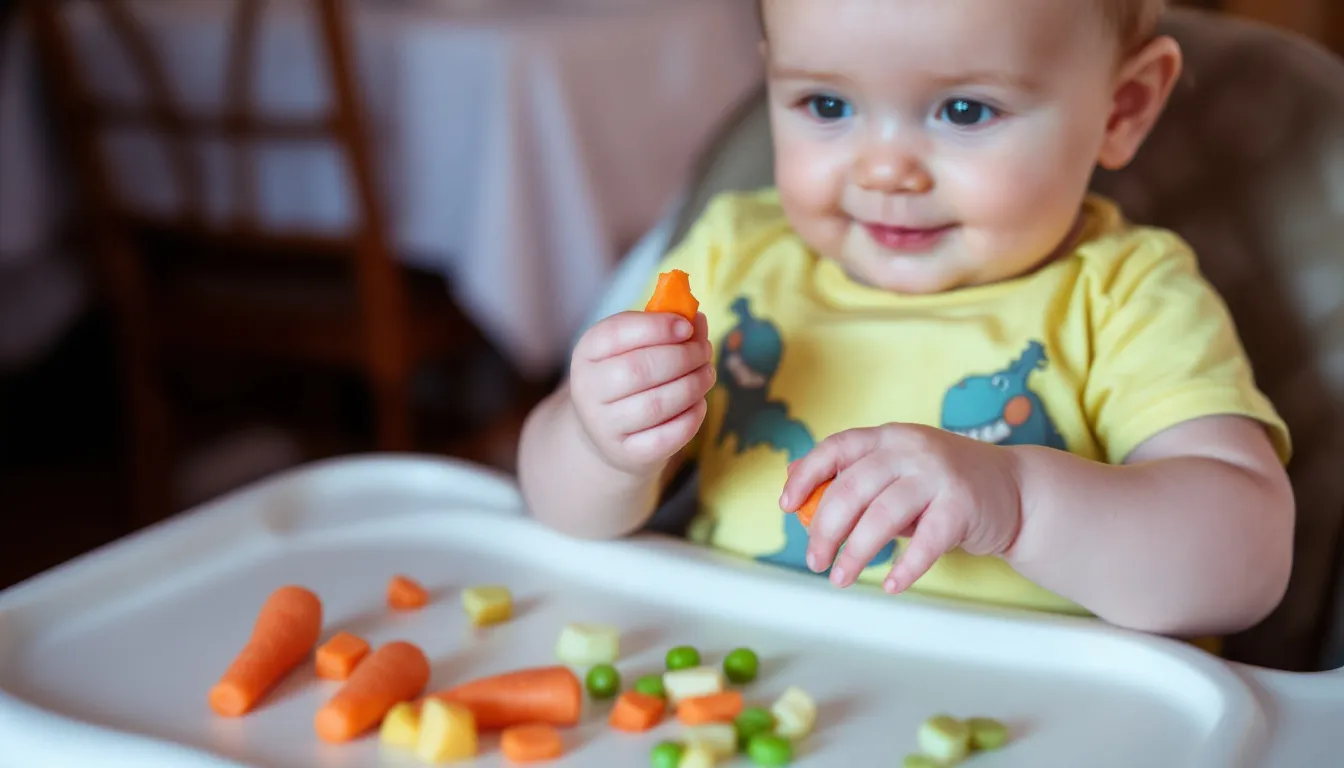
The pincer grasp serves as a foundation for countless daily activities throughout life. When your baby develops this skill, they're building the finger muscles and hand eye coordination necessary for future tasks like:
- Self feeding with finger foods and eventually using utensils
- Turning pages in books and manipulating small toys
- Learning to write, draw, and use scissors
- Buttoning clothes, zipping jackets, and tying shoes
- Operating electronic devices and keyboards
This important milestone also enhances sensory development as babies learn to manipulate objects of varying sizes and textures. The ability to use the pincer grasp opens up new opportunities for exploration and learning, allowing children to interact with their environment in increasingly sophisticated ways.
Most babies develop the basic pincer grasp between 9 and 12 months of age, though individual variation is completely normal. The progression from crude pincer grasp to superior pincer grasp represents months of practice and neurological development that deserves celebration at every stage.
When Does the Pincer Grasp Develop?
Quick answer: pincer grasp timeline
- 0-6 months: reflexive and palmar grasp (whole hand)
- 6-8 months: raking grasp (fingers, no thumb)
- 8-10 months: immature pincer grasp (finger pads)
- 10-12+ months: mature pincer grasp (fingertips)
Most babies develop their pincer grasp between 9 and 12 months of age, though this timeline can vary significantly among individual children. Some babies may start showing signs of the immature pincer grasp as early as 8 months, while others might not master the skill until 15 months - and both scenarios fall within the normal range of development.
The pincer grasp typically emerges alongside other major developmental milestones. By the time your baby begins to use their thumb and index finger to pick up small objects, they're usually sitting independently, may be crawling or cruising, and showing increased interest in self feeding. This timing isn't coincidental - these skills all require similar advances in motor planning and coordination.
Several factors can influence when your baby develops the pincer grasp:
Premature birth may delay the timeline, as development is often calculated from the due date rather than birth date. A baby born two months early might not show pincer grasp skills until 14-17 months of actual age.
Individual temperament plays a role, with some babies showing intense focus on fine motor tasks while others prefer gross motor activities like crawling and climbing.
Opportunities for practice matter significantly. Babies who regularly experience finger foods, small toys, and varied textures tend to develop grasping skills more readily than those with limited exposure.
Overall development patterns can affect timing. Some children follow a steady progression through all milestones, while others might excel in certain areas while taking longer with fine motor skills.
It's important to remember that babies develop at their own pace, and slight delays don't necessarily indicate problems. However, understanding the typical timeline helps you provide appropriate activities and recognize when to seek guidance from your healthcare provider.
Stages of Pincer Grasp Development
Early Grasping Skills (0-6 months)
During the first months of life, your baby's grasping abilities are primarily reflexive. The palmar grasp reflex present at birth causes babies to automatically close their fingers around objects placed in their palm. This reflexive action gradually becomes voluntary as your baby's nervous system matures.
Around 4-6 months, babies develop the palmar grasp, using their whole hand to hold and manipulate objects. You'll notice your baby can now intentionally grab toys, though they still rely on their entire palm rather than individual fingers. This stage is crucial for building the hand and finger strength needed for later fine motor development.
By 6 months, most babies can transfer objects between hands and begin to use a raking motion with their fingers. When your baby sees small objects like cereal pieces, they'll use all their fingers to pull items toward themselves rather than picking them up precisely. This raking grasp represents important progress toward more refined movements.
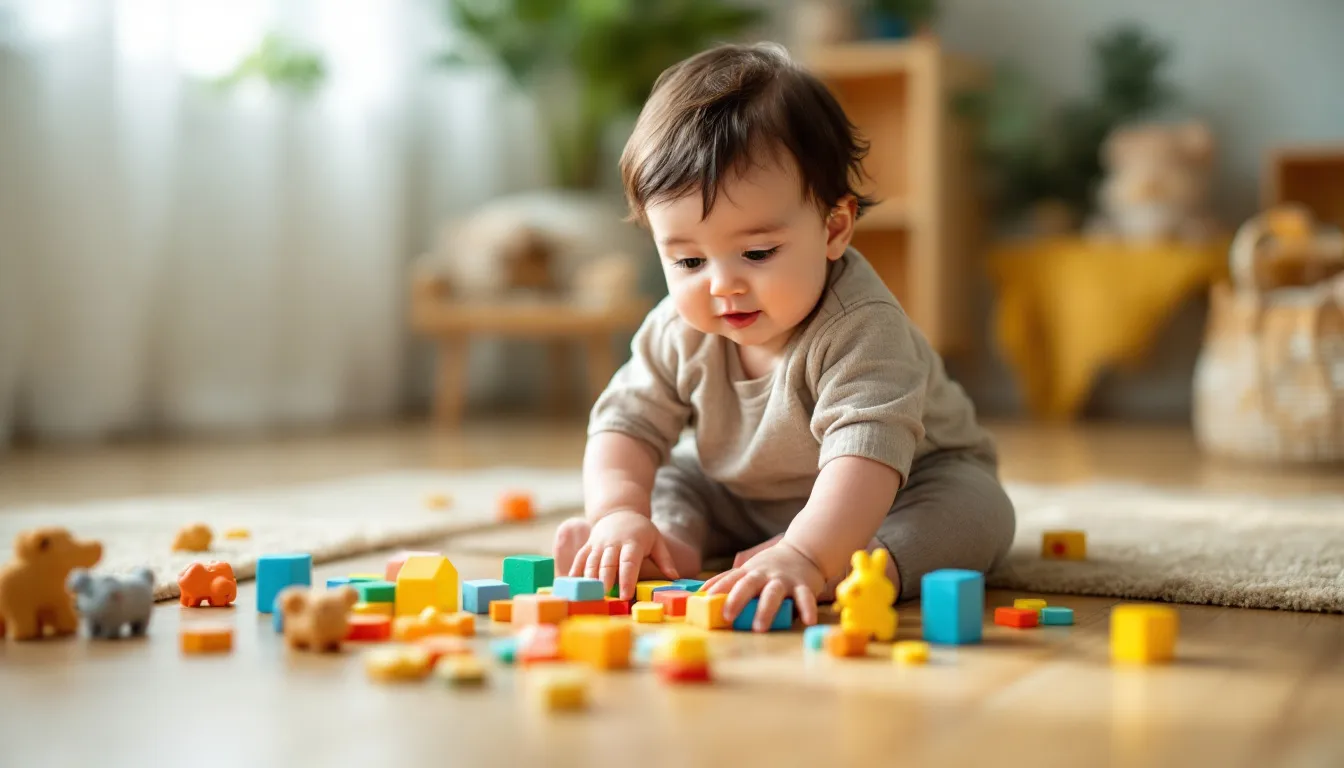
Immature Pincer Grasp (8-10 months)
The immature pincer grasp, also called the inferior pincer grasp or crude pincer grasp, typically emerges around 8-10 months of age. During this stage, your baby begins to coordinate their thumb and index finger, though they use the pads of their fingers rather than the precise tips.
You'll notice your baby can now pick up larger soft finger foods like puffs, small pieces of banana, or cooked pasta. However, their movements may seem clumsy, and they might struggle with releasing objects intentionally. The immature pincer grasp allows manipulation of objects roughly the size of a grape or larger.
This stage represents significant neurological development as your baby learns to isolate finger movements and coordinate opposing digits. Practice with safe finger foods during meals provides excellent opportunities for strengthening these emerging skills.
Mature Pincer Grasp (12+ months)
The superior pincer grasp typically develops around 12 months of age, representing the full maturation of this fine motor skill. At this stage, your baby uses the tips of their thumb and index finger rather than the pads, allowing for much more precise manipulation of small objects.
Children with a mature pincer grasp can pick up objects as small as crumbs or individual pieces of cereal with remarkable precision. They also gain better control over releasing objects intentionally, making activities like putting small toys into containers much easier.
This refined skill integrates with other developmental advances, supporting emerging independence in self feeding, play, and exploration. The precision of the mature pincer grasp lays the groundwork for future academic skills and continues developing throughout the toddler years.
Pincer Grasp Development Chart
| Age Range | Stage | Examples |
|---|---|---|
| 0-3 months | Reflexive Grasp | Holding onto a finger briefly |
| 4-6 months | Palmar Grasp | Grabbing toys with whole hand |
| 6-8 months | Raking Grasp | Sweeping fingers to gather items |
| 8-10 months | Immature Pincer Grasp | Picking up puffs, banana pieces |
| 10-12+ months | Mature Pincer Grasp | Picking up cereal pieces, using utensils |
Activities to Develop Pincer Grasp
Natural development through play and exploration provides the best foundation for developing the pincer grasp. Rather than forcing specific exercises, focus on providing your baby with varied, supervised opportunities to practice using their hands and fingers during everyday activities and playtime.
Everyday Activities
Self feeding provides excellent pincer grasp practice when your baby begins eating finger foods around 8-9 months. Start with larger, soft foods like steamed broccoli florets or strips of avocado that are easy to grasp. As coordination improves, introduce smaller items like puffs, cooked peas, or tiny pieces of soft cheese.
Feeding utensils such as spoons and forks play a crucial role in advancing your child's pincer grasp development. Using utensils encourages the coordinated use of the thumb and forefinger, helping to strengthen the small muscles in the fingers and hand. Introducing child-friendly, easy-to-grip utensils with chunky handles or textured grips can make this process more accessible and enjoyable.
Utensils for Different Stages of Pincer Grasp Development
Introducing utensils tailored to your baby's current pincer grasp abilities can support their fine motor skill progression and make mealtime both fun and educational. As Nicole Mayo notes, "Using the right feeding utensils at each stage of your baby's pincer grasp development not only strengthens finger muscles and coordination but also builds confidence and independence during mealtime."
Immature Pincer Grasp (8-10 months): Soft-tipped silicone spoons with chunky handles — easy to grip and gentle on gums, helping babies practice scooping with less precision required.
Developing Pincer Grasp (10-12 months): Child-sized forks and spoons with textured grips — rounded tines and textured handles encourage better finger coordination and control.
Mature Pincer Grasp (12+ months): Small butter knives and beginner chopsticks — safe cutting practice and advanced finger dexterity.
Book exploration supports fine motor development when babies learn to turn pages and point at pictures. Board books with thick pages work best for little hands, while touch-and-feel books provide additional sensory input.
Dressing activities offer natural practice opportunities. Allow your baby to help remove socks by grasping the toe area, or let them explore velcro strips on shoes and clothing.
Kitchen play can safely involve your baby with appropriate supervision. Measuring cups, wooden spoons, and plastic containers provide excellent grasping practice.
Clean-up time becomes a learning opportunity when your baby helps pick up small toys and place them in containers.
Toys and Games
Shape sorters and stacking toys require precise placement of objects, encouraging refined finger control. Large pegboards with chunky pegs provide excellent grasping practice.
Activity boards with buttons, switches, and textured elements give babies opportunities to practice different types of finger movements.
Building blocks and stacking rings allow babies to practice picking up, placing, and releasing objects with increasing precision.
Puzzle toys with large knobs help babies use the pincer grasp while developing problem-solving skills.
Safety Considerations
Safety must remain the top priority when providing opportunities for pincer grasp practice. As your baby develops the ability to pick up increasingly small objects, the risk of choking hazards increases significantly.
The most important safety rule involves object size. Any item smaller than a toilet paper roll diameter (approximately 1.25 inches) can present a choking hazard for young children. This simple test helps you quickly evaluate whether objects are safe for unsupervised play.
Always provide direct supervision during pincer grasp activities, especially when babies are learning to coordinate their movements. When selecting finger foods for practice, choose items that dissolve easily in saliva. Appropriate options include puffs, soft cooked vegetables, small pieces of banana, or specially designed baby cereals. Avoid hard foods like nuts, whole grapes, or raw carrots that could present choking hazards.
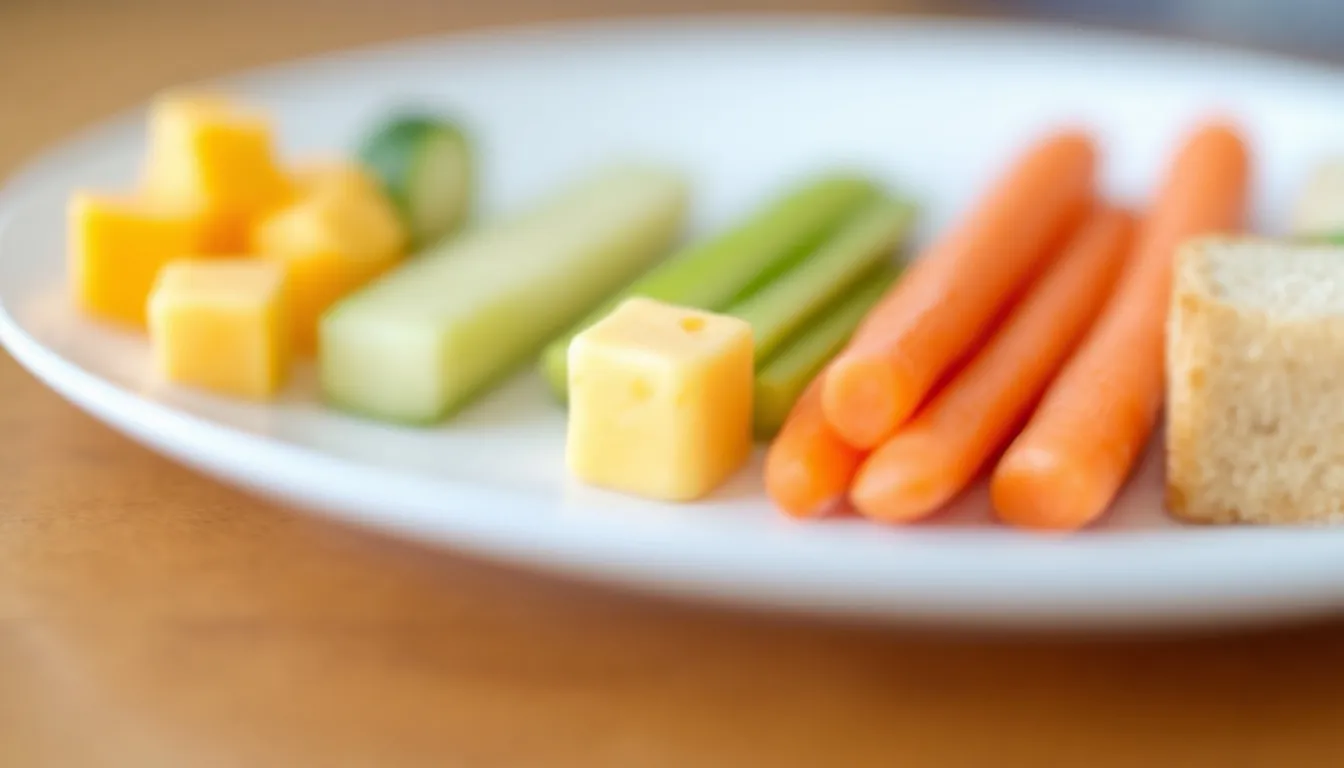
Create safe exploration environments by scanning areas for small objects before allowing your baby to play. Follow manufacturer age recommendations when selecting toys, and regularly inspect items for wear or damage.
When to Seek Professional Help
While babies develop at their own time, certain signs may indicate the need for professional evaluation. Consider consulting your healthcare provider if your baby shows no grasping attempts by 12 months of age.
Red flags that warrant professional attention include:
- Inability to pick up large objects by 15 months of age
- Significant differences between hand skills, such as using only one hand consistently
- Loss of previously acquired grasping skills
- Extreme difficulty with self feeding beyond typical learning curves
- No interest in manipulating objects or exploring with hands
Your pediatrician serves as the first point of contact for developmental concerns. Occupational therapists specialize in fine motor development and can provide comprehensive evaluation. Early intervention services are available in most communities for children under three years of age at no cost to families.
Remember that early identification and intervention lead to better outcomes when problems exist. However, many concerns resolve naturally as babies continue developing, and seeking evaluation doesn't necessarily mean anything is wrong.
Conclusion
The pincer grasp is a crucial milestone in your baby's fine motor development, marking their growing ability to interact with the world in more precise and meaningful ways. From the early reflexive palmar grasp to the refined superior pincer grasp, each stage reflects important neurological and muscular progress. Supporting your baby through age-appropriate activities, the right feeding tools, and safe exploration helps build the finger muscles, hand-eye coordination, and confidence needed for future skills like self feeding, dressing, and writing.
Remember that every baby develops at their own pace, and with patience, encouragement, and supervision, most little ones master this essential skill. If you ever have concerns about your baby's pincer grasp development, don't hesitate to consult your healthcare provider or a pediatric occupational therapist for personalized guidance.
Shop Utensils for Every Pincer Grasp Stage


Frequently Asked Questions (FAQ) About Pincer Grasp
What is the pincer grasp?
The pincer grasp is the ability to pick up small objects using the thumb and index finger in a coordinated pinching motion. It is a key fine motor skill that supports many daily activities like self feeding, dressing, and writing.
When does the pincer grasp typically develop?
Most babies start to develop the pincer grasp between 9 and 12 months of age. Some may show early signs as soon as 8 months, while others may take up to 15 months, all within the normal range.
What are the stages of pincer grasp development?
Development progresses from early reflexive palmar grasp to the raking grasp, then to the immature (inferior) pincer grasp using pads of fingers, and finally to the mature (superior) pincer grasp using the fingertips for precise manipulation.
How can I help my baby develop the pincer grasp?
Provide plenty of supervised opportunities for your baby to practice grasping small objects through everyday activities like self feeding with finger foods, playing with stacking cups, pull toys, and other pincer grasp toys.
Are there any safety concerns with pincer grasp activities?
Yes. Always supervise your baby closely during these activities to avoid choking hazards. Avoid small hard foods and objects that can be swallowed whole, and regularly check toys for safety.
When should I seek professional help?
If your baby shows no attempts to grasp objects with their thumb and fingers by 12 months, or if you notice significant delays or difficulties in fine motor skills, consult your pediatrician or a pediatric occupational therapist for evaluation and guidance.
Can premature birth affect pincer grasp development?
Yes. Premature babies may develop the pincer grasp later than full-term babies, as their developmental timeline is often adjusted based on their due date rather than birth date.
Why is the pincer grasp important?
The pincer grasp lays the foundation for many essential skills including self feeding, dressing, writing, and using tools. It also enhances hand-eye coordination and sensory development.
What are some recommended toys for encouraging pincer grasp?
Toys like stacking cups, shape sorters, activity boards, pull toys, and puzzles with large knobs are excellent for practicing the pincer grasp while keeping your baby engaged.
How does the pincer grasp relate to other fine motor skills?
The pincer grasp is a fundamental fine motor skill that supports the development of more complex hand functions such as using utensils, buttoning clothes, and holding writing instruments.